
Blog
The Twin Otter: One of Aviation’s Most Versatile Aircraft Ever Built
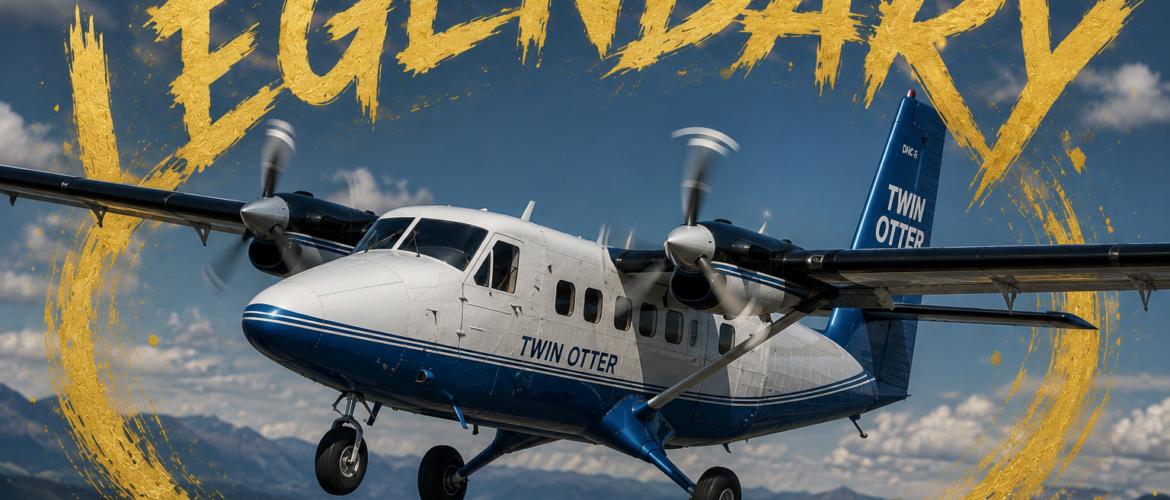
Few aircraft have earned the reputation, respect, and longevity of the Twin Otter. From remote Arctic communities and tropical island chains to humanitarian missions and skydiving operations, the Twin Otter has become one of the most recognizable utility aircraft in the world.
More than just an airplane, the Twin Otter is a symbol of reliability, ruggedness, and operational flexibility.
A Canadian Aviation Icon
The Twin Otter was originally developed by de Havilland Canada in the 1960s as an evolution of the successful single-engine Otter. Engineers sought to create an aircraft capable of carrying more passengers and cargo while maintaining exceptional short takeoff and landing (STOL) performance.
The result was the DHC-6 Twin Otter, a twin-engine turboprop aircraft that quickly became a favorite among operators working in some of the world’s most challenging environments.
Today, modern versions continue production under De Havilland Aircraft of Canada, ensuring the aircraft remains relevant more than half a century after its first flight.
Built for Anywhere
One of the Twin Otter’s greatest strengths is its ability to operate from locations where most aircraft simply cannot go.
Whether landing on:
- Gravel runways
- Ice strips
- Remote dirt airfields
- Mountain regions
- Coastal communities
- Waterways using floats
- Snow-covered terrain using skis
the Twin Otter continues to perform reliably.
Its high-wing design provides excellent ground clearance, while its rugged landing gear allows operations from unimproved surfaces. Combined with powerful turboprop engines and impressive lift characteristics, the aircraft can take off and land in remarkably short distances.
For pilots operating in remote regions, this capability can mean the difference between connecting a community and leaving it isolated.
The Aircraft That Connects Communities
Across Canada, particularly in northern and remote regions, the Twin Otter has played an essential role in transportation.
For many communities without road access, aircraft are lifelines. The Twin Otter delivers:
- Passengers
- Medical supplies
- Food
- Construction materials
- Emergency services
Its ability to operate year-round in difficult weather conditions has made it a trusted aircraft throughout Canada’s North.
Many pilots consider flying the Twin Otter one of the most rewarding careers in aviation because it directly supports communities that depend on air transportation.
A Favorite for Adventure and Tourism
The Twin Otter is equally famous in the tourism industry.
Operators worldwide use the aircraft for:
- Sightseeing flights
- Island hopping
- Glacier tours
- National park access
- Eco-tourism operations
Popular destinations include:
- The Maldives
- Hawaii
- Alaska
- The Caribbean
- The Canadian Arctic
- Antarctica
Its large windows provide excellent visibility, giving passengers incredible views while enjoying a comfortable ride.
Skydiving’s Workhorse
If you’ve ever gone skydiving, there’s a good chance you jumped from a Twin Otter.
The aircraft’s ability to climb quickly while carrying a large number of jumpers makes it one of the most popular skydiving platforms in the world.
A typical Twin Otter can transport over twenty skydivers per load, making it efficient and economical for drop zone operators.
The large rear cabin and wide door also provide ideal conditions for safe exits.
Why Pilots Love the Twin Otter
Pilots often praise the Twin Otter for its predictable handling characteristics and robust design.
Some of the qualities pilots appreciate include:
- Exceptional STOL performance
- Excellent visibility from the cockpit
- Reliable turbine engines
- Strong crosswind capability
- Stable low-speed handling
- Proven performance in challenging environments
The aircraft rewards good airmanship and demonstrates why thoughtful engineering can stand the test of time.
Modern Twin Otters
Today’s Twin Otter remains a highly capable aircraft.
Modern variants feature:
- Glass cockpit avionics
- Enhanced navigation systems
- Improved reliability
- Greater operational efficiency
- Updated safety systems
While technology has advanced significantly since the original design, the aircraft’s core mission remains unchanged: safely transporting people and cargo to places where other aircraft struggle to operate.
A True Aviation Legend
Very few aircraft remain relevant for more than fifty years. The Twin Otter is one of those rare exceptions.
Its combination of ruggedness, versatility, and reliability has earned it a place among the most respected utility aircraft ever built.
Whether operating in the Arctic, flying tourists over tropical waters, supporting humanitarian missions, or carrying skydivers to altitude, the Twin Otter continues to prove why it is one of aviation’s greatest success stories.
For generations of pilots, passengers, and communities around the world, the Twin Otter isn’t just an aircraft—it is a trusted partner that connects people, places, and opportunities.