Blog

“How Should I Begin My Flight Training in Canada?” As a flight instructor, I often get asked, “How should I learn to fly?” Many aspiring pilots find the process unclear. While there’s no definitive path, based on my experience and working at a flight school, the following steps offer a practical approach. 1. Find a […]

How to Obtain a Float Rating Introduction A floatplane or seaplane rating allows pilots to expand their range of operations, enabling them to land in diverse environments. Although obtaining this rating is straightforward, it does present some unique challenges. Pilots will need to master landing on water, which is often more complex than landing on […]
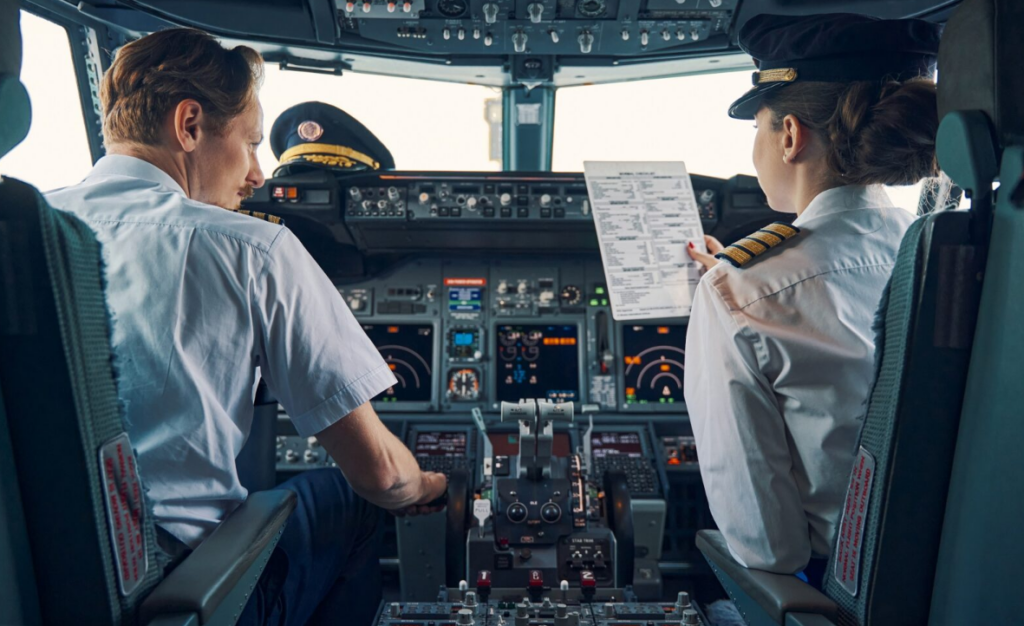
Navigating the journey to obtaining a multi-IFR (Group 1) commercial pilot license (CPL) can be challenging. While there is no set path to follow after obtaining your private pilot license (PPL), some routes may be more cost-effective, and not all student pilots may be ready to transition to multi-engine flying immediately after their CPL time-building. […]

Determining the distance and time to the Point of Equal Time (PET) involves finding the location along your flight route where the time required to reach your destination matches the time needed to turn around and return home. The formulas for Distance to the Point of Equal Time (DPET) and Time to the Point of […]
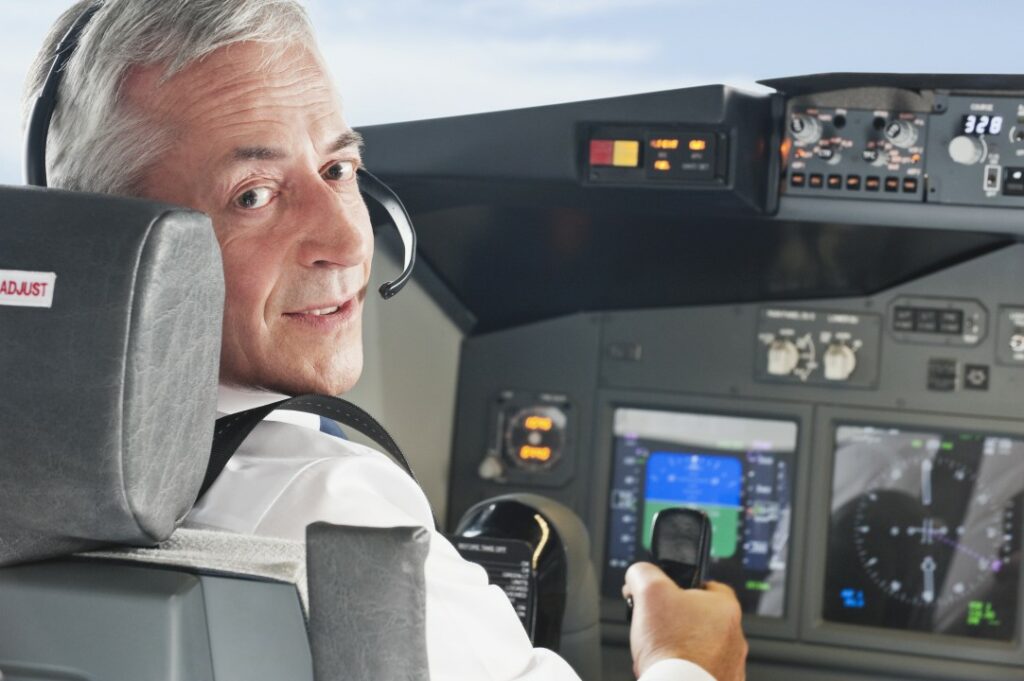
Once you’ve taken the plunge into solo flying, you might encounter radio terms that were never discussed during your training or mentioned by your instructor. Many of these phrases became apparent to me during cross-country flights after obtaining my Private Pilot License (PPL). Utilizing the flight following service provided by Air Traffic Control (ATC) proved […]
The General Guidelines for MF Reporting set forth directives for reporting within Mandatory Frequency (MF) areas, aiming to ensure effective communication and overall safety. Utilization of Mandatory Frequency Reports mandated by these guidelines should employ the specific mandatory frequency assigned to the relevant MF area. If a ground station is operational, reports should be directed […]
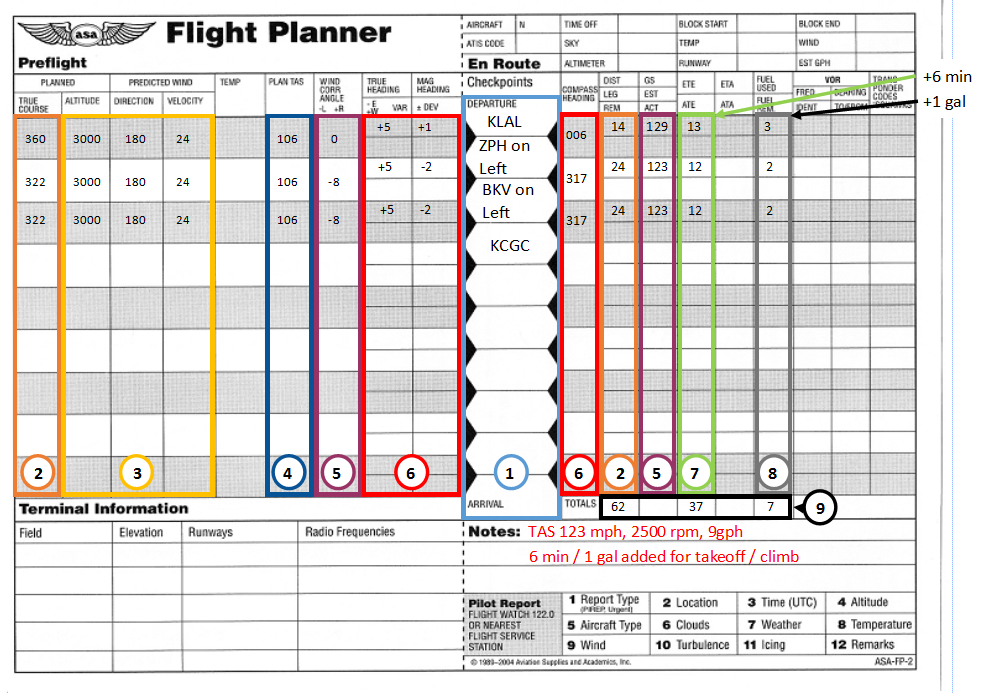
We understand the financial commitment involved in learning how to complete a navigation log. That’s why we have developed an online course that offers a step-by-step guide on filling out the log and performing necessary calculations. This course provides a cost-effective solution for students looking to save money while acquiring the essential skills for navigation […]

Equipment Requirements The minimum equipment list for day VFR flight encompasses: Conclusion Adherence to the airplane minimum equipment list for day VFR flight ensures that powered aircraft are equipped with essential instruments and systems, upholding safety and regulatory compliance during daytime visual flight operations. For Further Information on Minimum Equipment Refer to the Canadian Aviation […]
To grasp the fundamentals of aviation navigation, it’s imperative to master key terms necessary for your Private Pilot License (PPL). From unraveling the complexities of longitude and latitude to comprehending the significance of concepts like airspeed and ground speed, these terms are the building blocks of effective flight planning and execution. Whether you’re navigating along […]